

Get Unstuck
Quick prompts to break through writer's block. Click to flip.
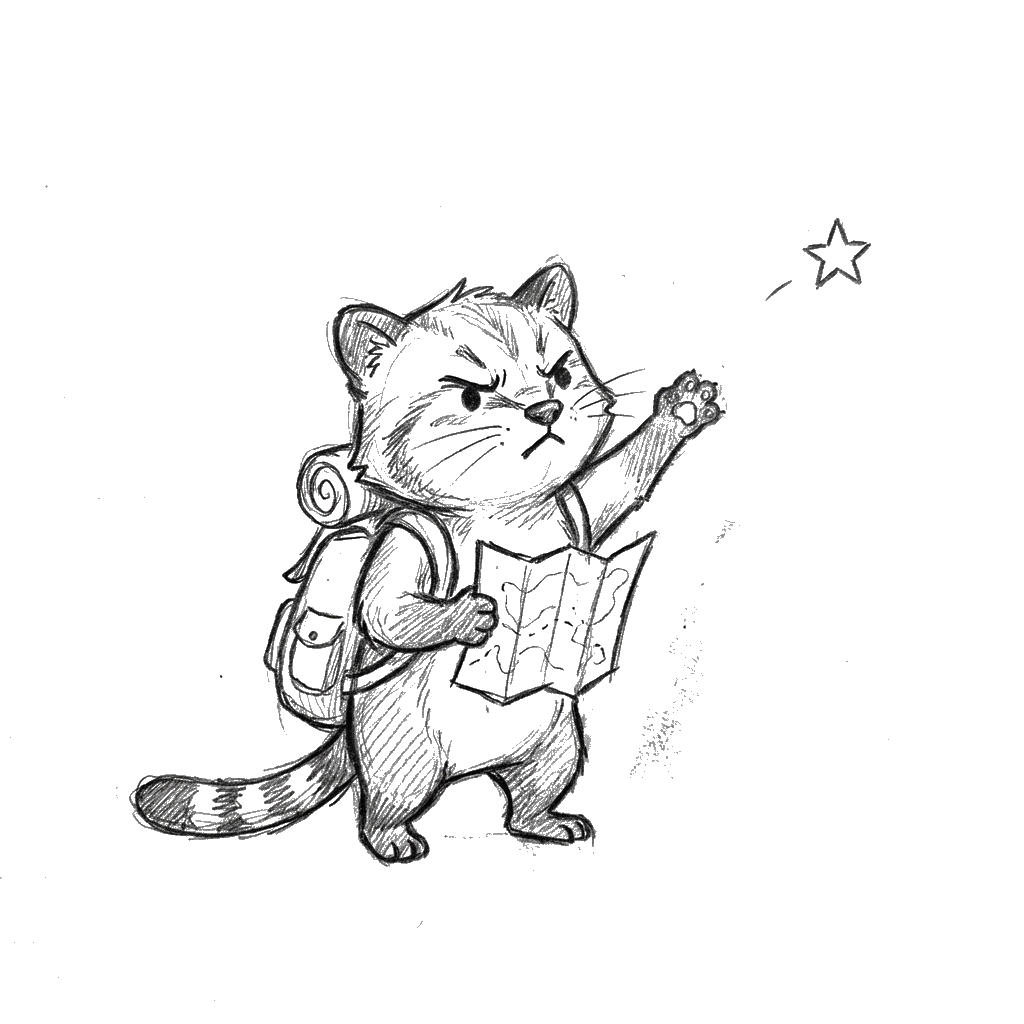
WANTS & NEEDS
"Your character wanders through the story like a tourist."
WANTS & NEEDS
Every character needs to want something - even if it's just to get home for dinner. Ask yourself: What does my character want on THIS page? If you can't answer, your reader can't either. The want doesn't have to be big. It just has to matter to them.
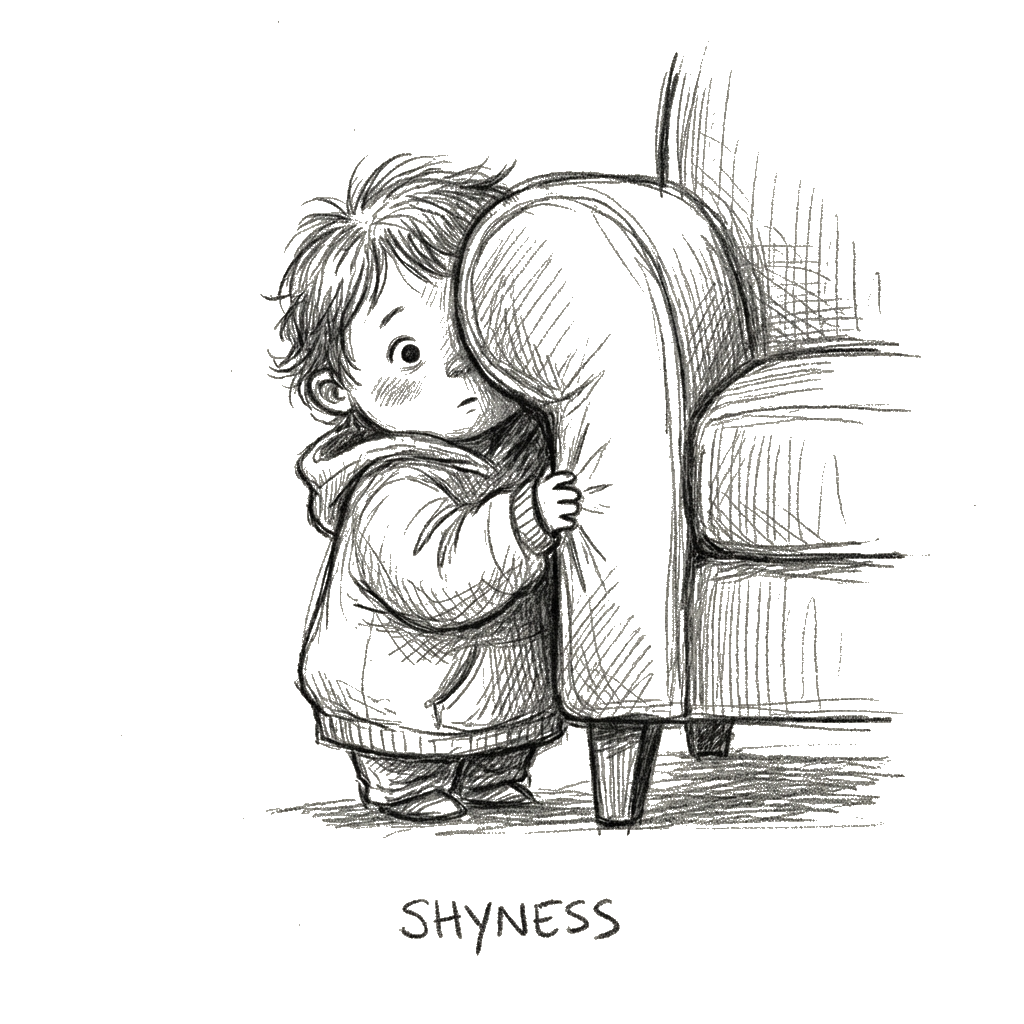
SHOW THE FEELING
"Sad, happy, scared - these are just labels, not stories."
SHOW THE FEELING
Instead of writing "Maya felt nervous," show us what nervous looks like. Does she bite her lip? Twist her hair? Hide behind Mom's leg? Feelings are invisible - but the things people DO when they feel them? That's your story.
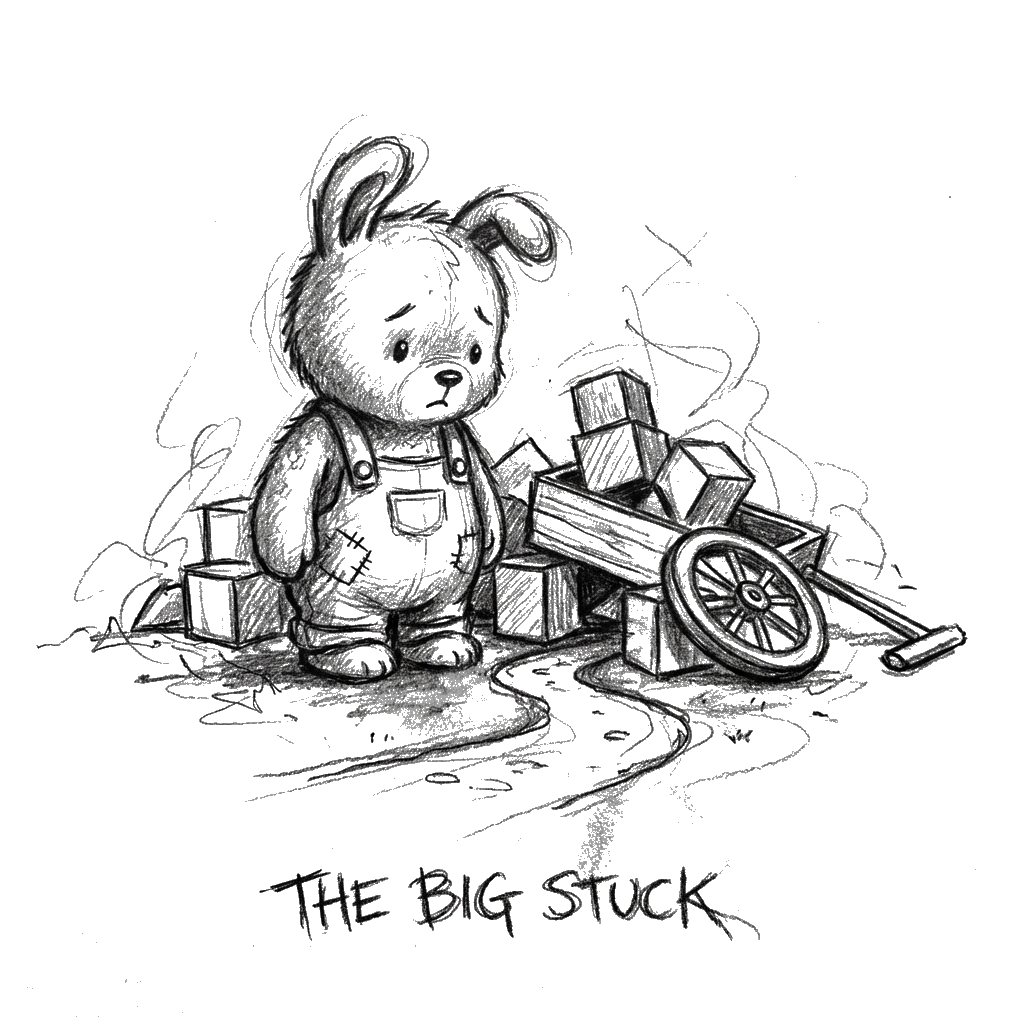
THE PROBLEM TEST
"If everything's fine, there's no story yet."
THE PROBLEM TEST
Stories need problems. Not scary ones - just something that makes life a little harder. Lost toy. Rainy day ruins plans. New kid won't share. No problem means no story. What's making life difficult for your character right now?
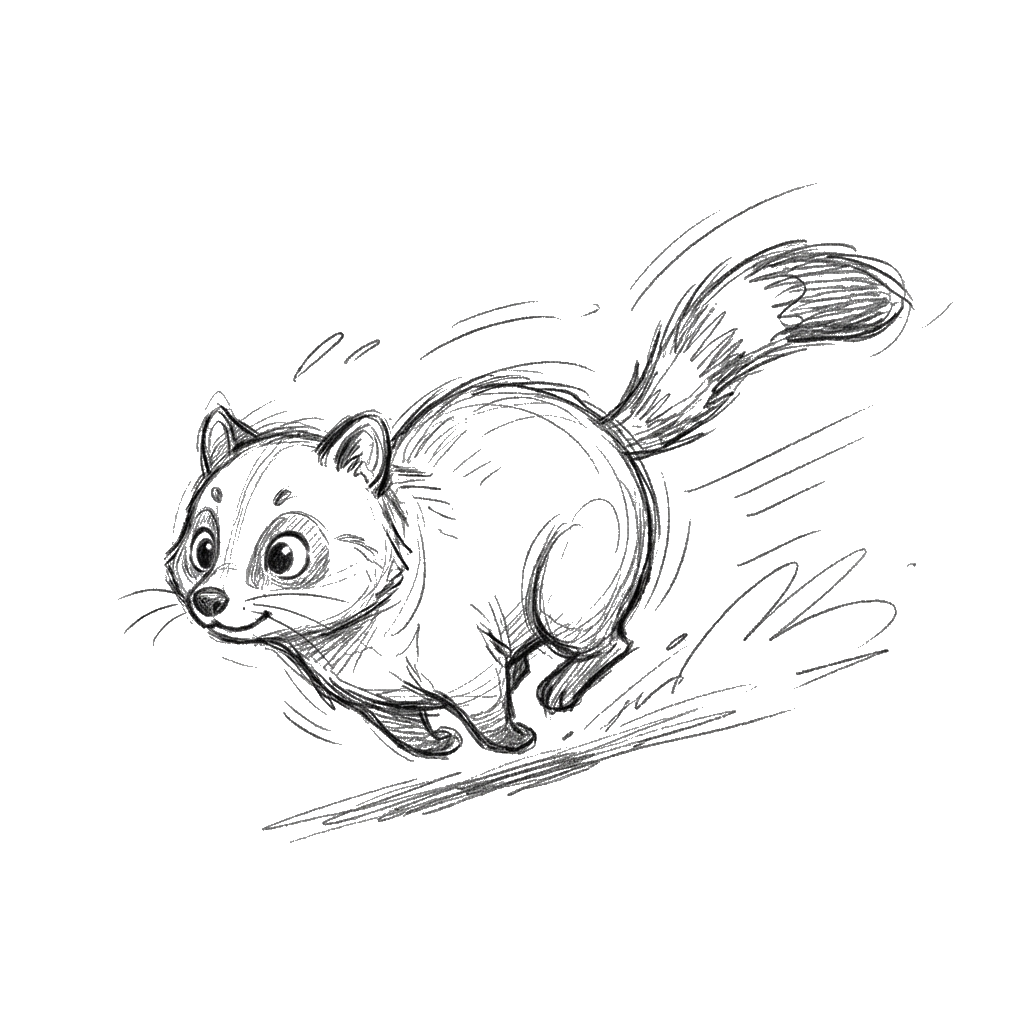
START WITH ACTION
"Don't tell us about the character. Show them doing something."
START WITH ACTION
Skip the setup. Don't start with "This is Max. He likes trucks." Start with Max DOING something. "Max's favorite truck rolled under the couch - the scary, dark under-the-couch." Action first, background later.
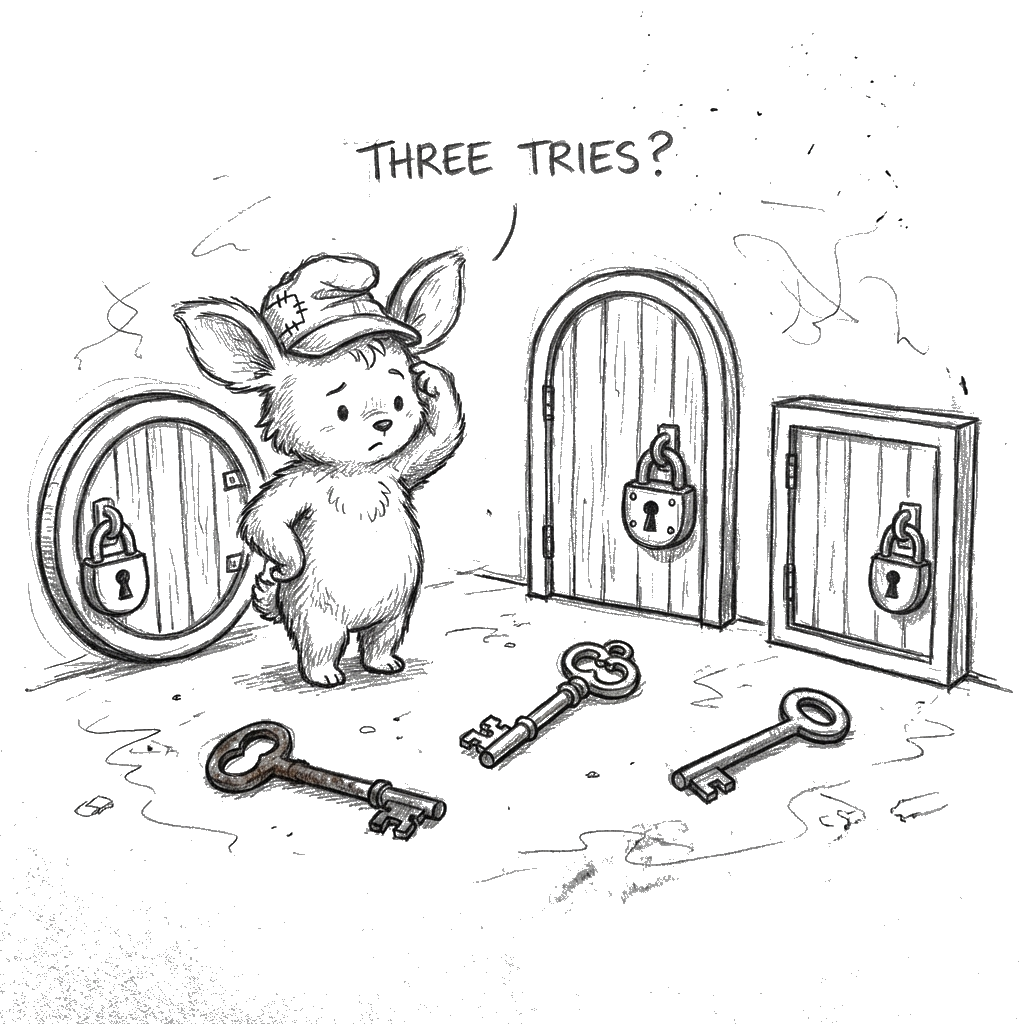
ONE PROBLEM, THREE TRIES
"If it works the first time, there's no story."
ONE PROBLEM, THREE TRIES
The magic pattern: Try something. It doesn't work. Try something else. That fails too. Try a third thing (usually something they learned along the way). THAT works. Three tries keeps readers engaged and shows your character learning.
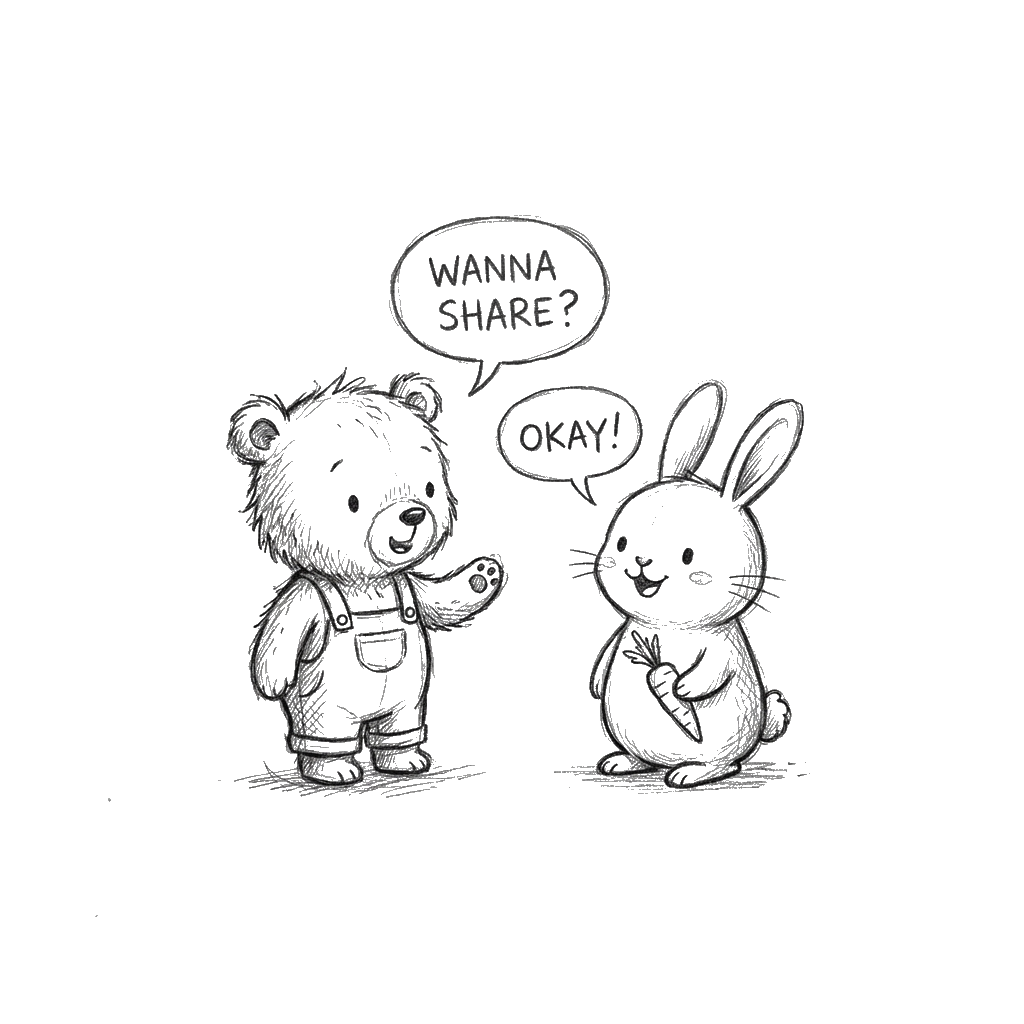
TALK LIKE A KID
"Children don't use big words to sound smart."
TALK LIKE A KID
Read your dialogue out loud. Does it sound like an actual kid talking? Kids use simple words, sentence fragments, and say exactly what they mean. "I don't like this" beats "This is not to my preference."
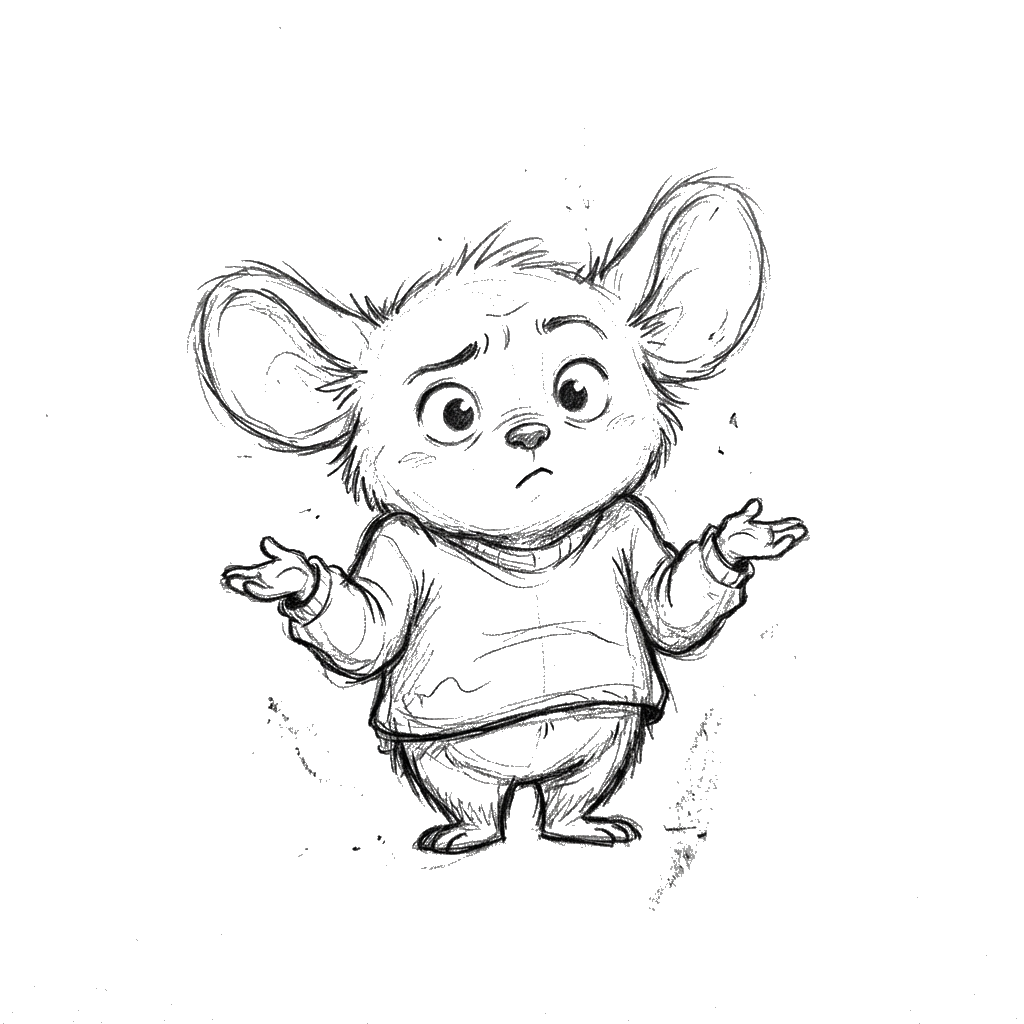
THE "SO WHAT?" CHECK
"Events aren't stories. Stories are events that MATTER."
THE "SO WHAT?" CHECK
Test each scene: So what? Why does this moment matter? "Lily went to the park" - so what? "Lily went to the park where the mean kid always steals swings" - NOW we care. Make every moment matter.
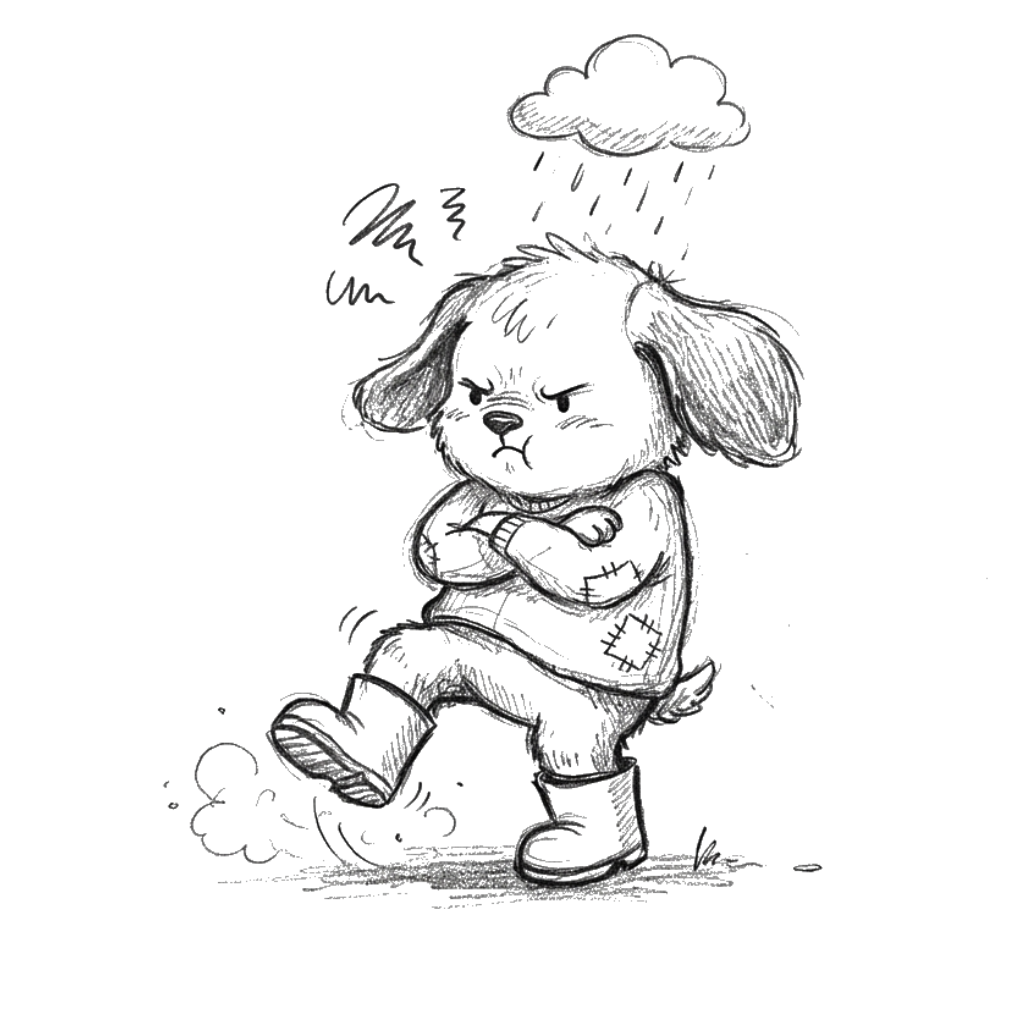
EMOTION FOLLOWS ACTION
"Don't tell us how they feel. Show us what happens because of how they feel."
EMOTION FOLLOWS ACTION
When your character feels something, what do they DO about it? Angry characters slam doors. Sad ones hide. Excited ones bounce. The action shows the feeling better than any description can.
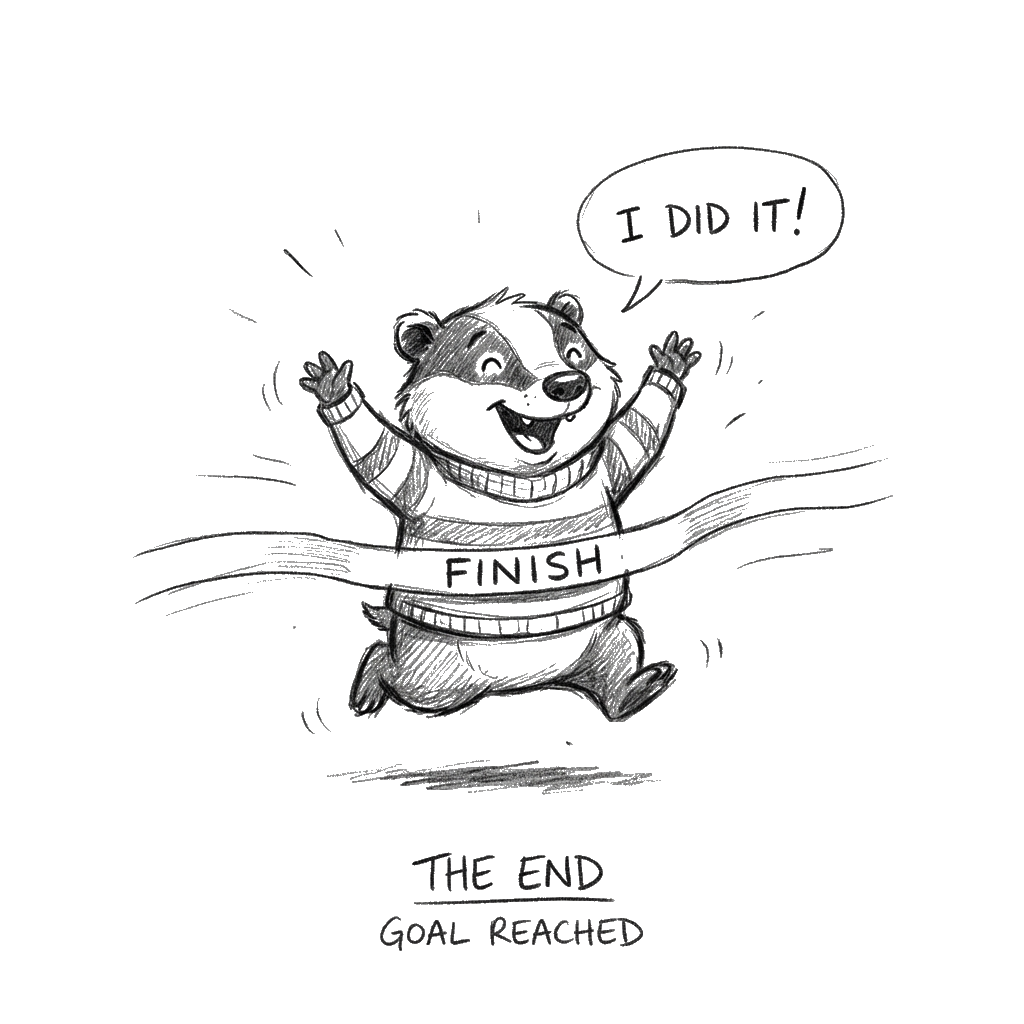
THE LAST PAGE PROMISE
"Your ending should answer the question your beginning asked."
THE LAST PAGE PROMISE
If your story starts with "Leo is afraid of the dark," it should end showing how Leo handles darkness now. Changed? Learned something? Found courage? The ending echoes the beginning - but shows growth.
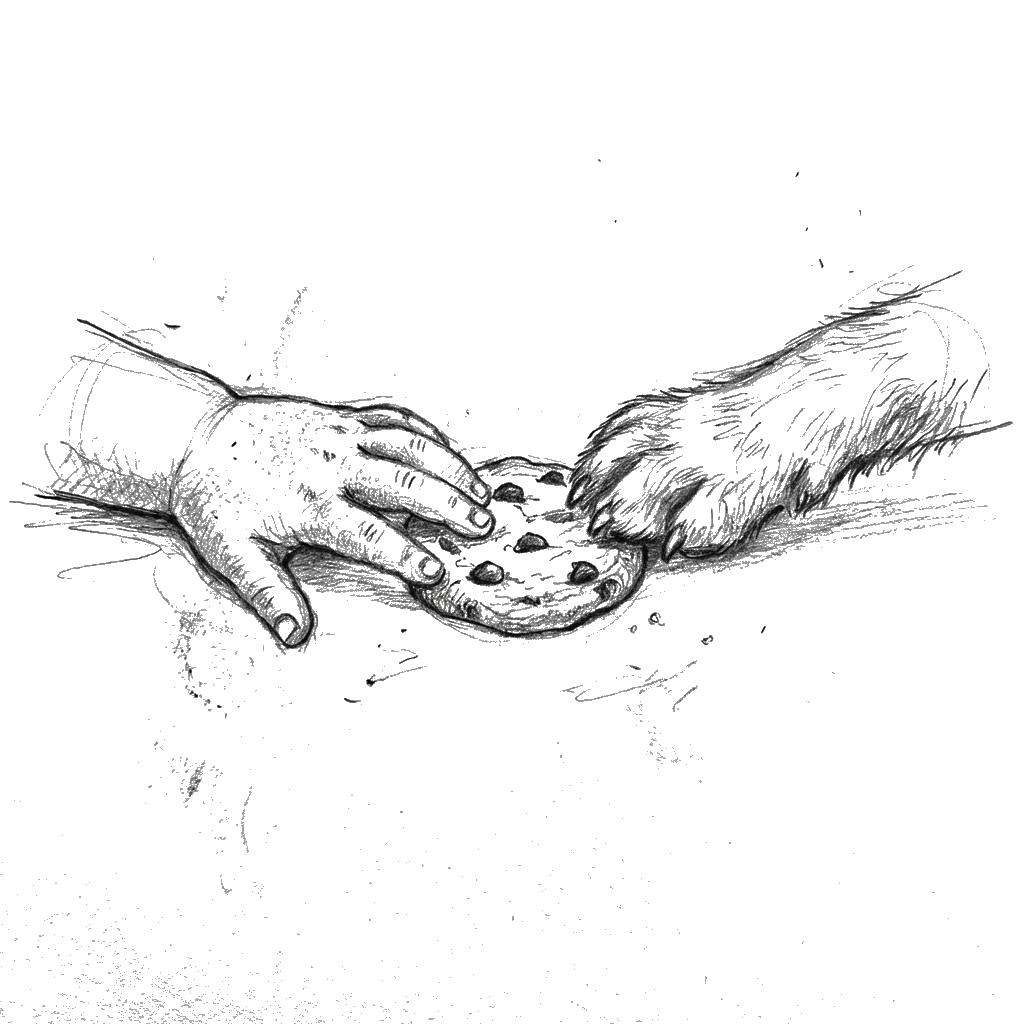
ONE CLEAR MOMENT
"Zoom in. The smaller the moment, the bigger the feeling."
ONE CLEAR MOMENT
Don't rush through the important parts. When something matters, slow down and show it in detail. Not "They became friends." Instead: "Maya held out her cookie. Sam's hand reached for it. Their fingers almost touched."
